No products in the cart.
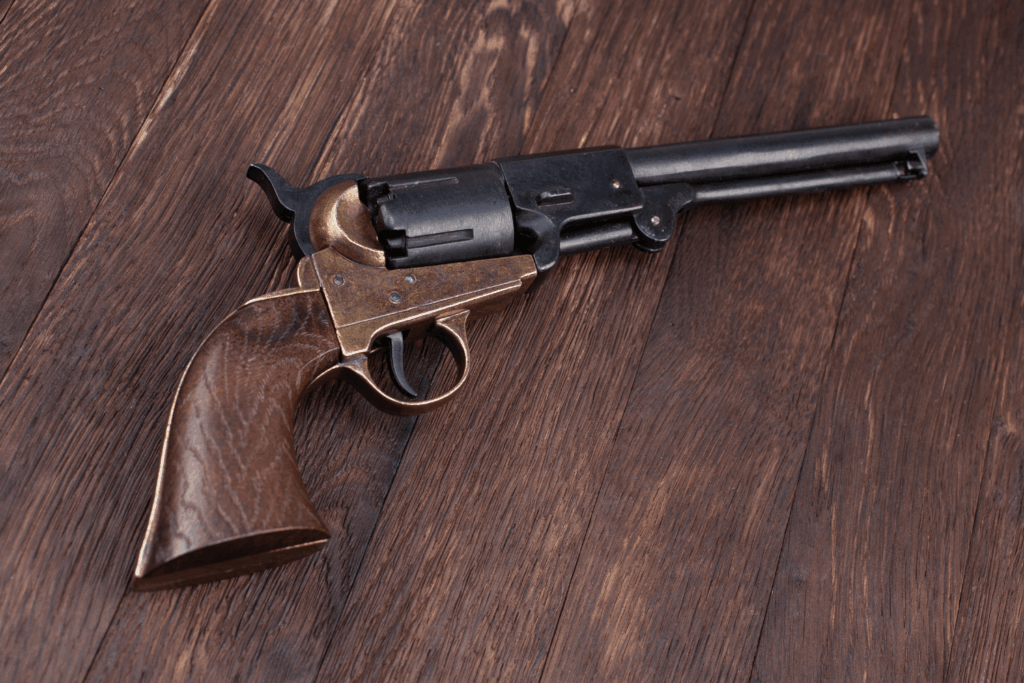
For many firearm enthusiasts, gun shows aren’t just about finding a great deal; they’re about discovering a piece of history. Whether it’s a vintage revolver, a military rifle with wartime provenance, or a pristine first-gen model from a legendary manufacturer, collectible firearms are often hiding in plain sight at shows like those hosted by Eagle Shows.
If you’re looking to build your collection or just want to know what makes a firearm rare or valuable, this guide will help you shop smart and preserve a bit of the past.
Not every old gun is a collectible, and not every collectible is particularly old. Rarity and demand drive the market, but true collector value usually stems from a few key factors:
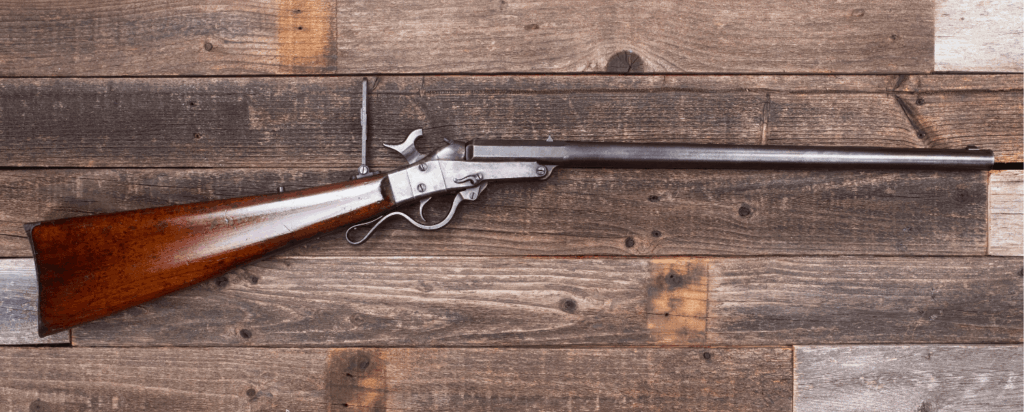
Firearms used in major conflicts, linked to notable events, or produced during key historical periods often carry collector prestige.
Guns manufactured in small batches or discontinued models are highly sought after, especially in excellent condition.
Models from respected manufacturers like Colt, Winchester, Smith & Wesson, or early-generation Glocks often gain value over time.
A well-preserved firearm with original parts, finish, and matching serial numbers will almost always fetch more than a restored or modified version.
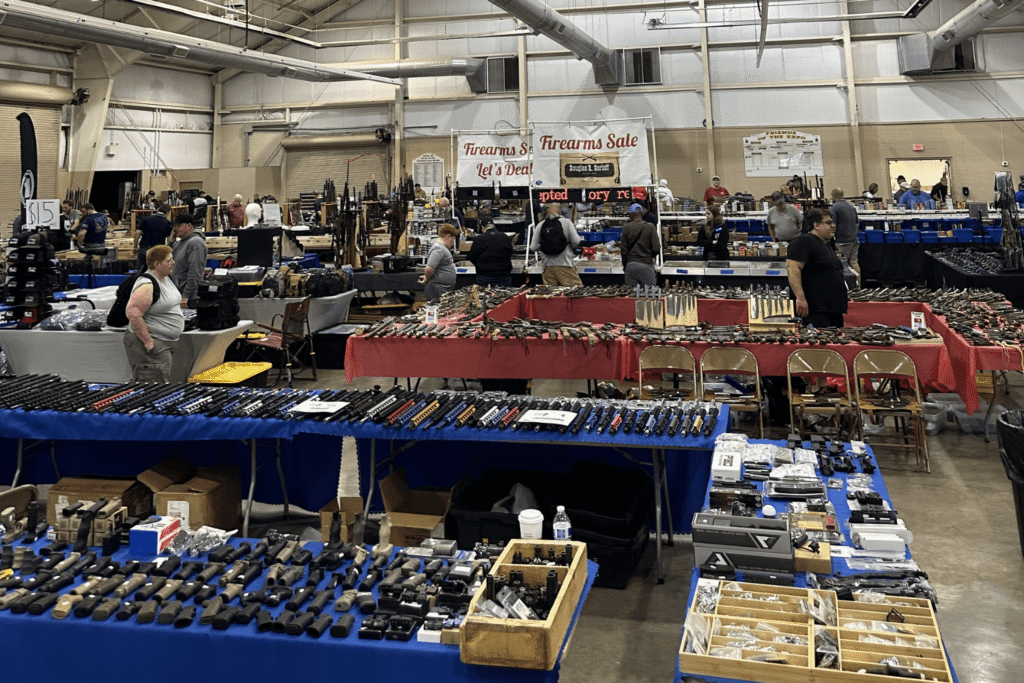
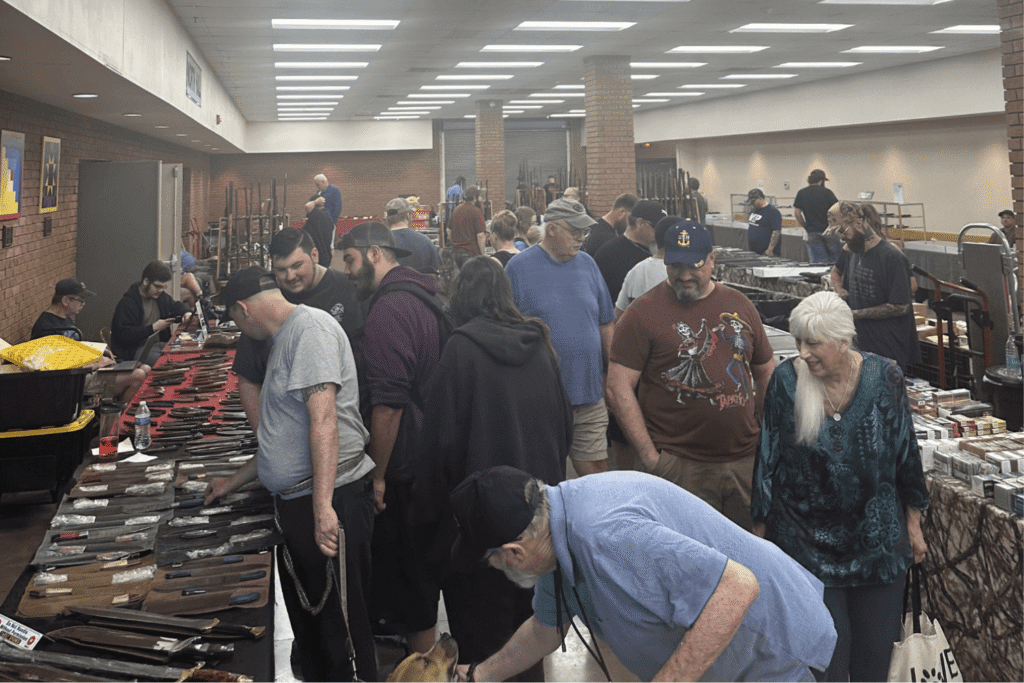
Eagle Shows regularly attracts vendors and collectors from across the region, making it one of the best places to discover rare guns at gun shows. Here are some common gems you might come across:
From M1 Garands to Enfield rifles, wartime relics are staples in the collector market.
Firearms no longer in production, especially unfired models with original boxes and paperwork, are highly prized.
Guns with a documented history, such as those owned by notable figures or tied to specific battles, can be worth a premium.
Rare manufacturing defects or unique serial runs can sometimes make a firearm significantly more valuable.

Before making a purchase, especially at higher price points, you’ll want to verify the firearm’s legitimacy and fair market value. Here’s how:
Start by examining the serial number and markings; these can tell you the year of manufacture, production series, and whether the parts are original. Vendors should be transparent about any refurbishing or replaced components.
Ask for:
If you’re unsure, take a moment to cross-reference with online databases, collector forums, or valuation tools like the Blue Book of Gun Values. Many seasoned collectors keep these resources handy at shows.
Reputable vendors will appreciate educated buyers and welcome thoughtful questions. Some basics include:
Even if you’re not a high-end buyer, asking these questions helps build trust and sharpens your skills for future collecting.
When handling collectible firearms at a gun show, especially older or high-value pieces, respect and professionalism go a long way.
Collectors and vendors share a mutual respect for these items, and that’s part of what keeps the community strong.
While some firearm collectors build their collections out of passion, others see it as a form of long-term investment. In truth, it can be both.
Firearms tend to hold their value well when properly maintained, and limited-edition or historic pieces may appreciate significantly over time. However, market fluctuations, legal changes, and storage costs can impact long-term value.
Whether you’re buying for passion or profit, always document your purchase and store your firearms properly to maintain both their condition and resale potential.
Gun shows offer a unique opportunity to connect with history, meet passionate collectors, and grow your appreciation for rare and historic firearms. At Eagle Shows, we’re proud to be a hub for this community, bringing together the vendors, experts, and enthusiasts that make collecting so rewarding.
Want to explore rare finds for yourself? Check our upcoming events and plan your visit today!